
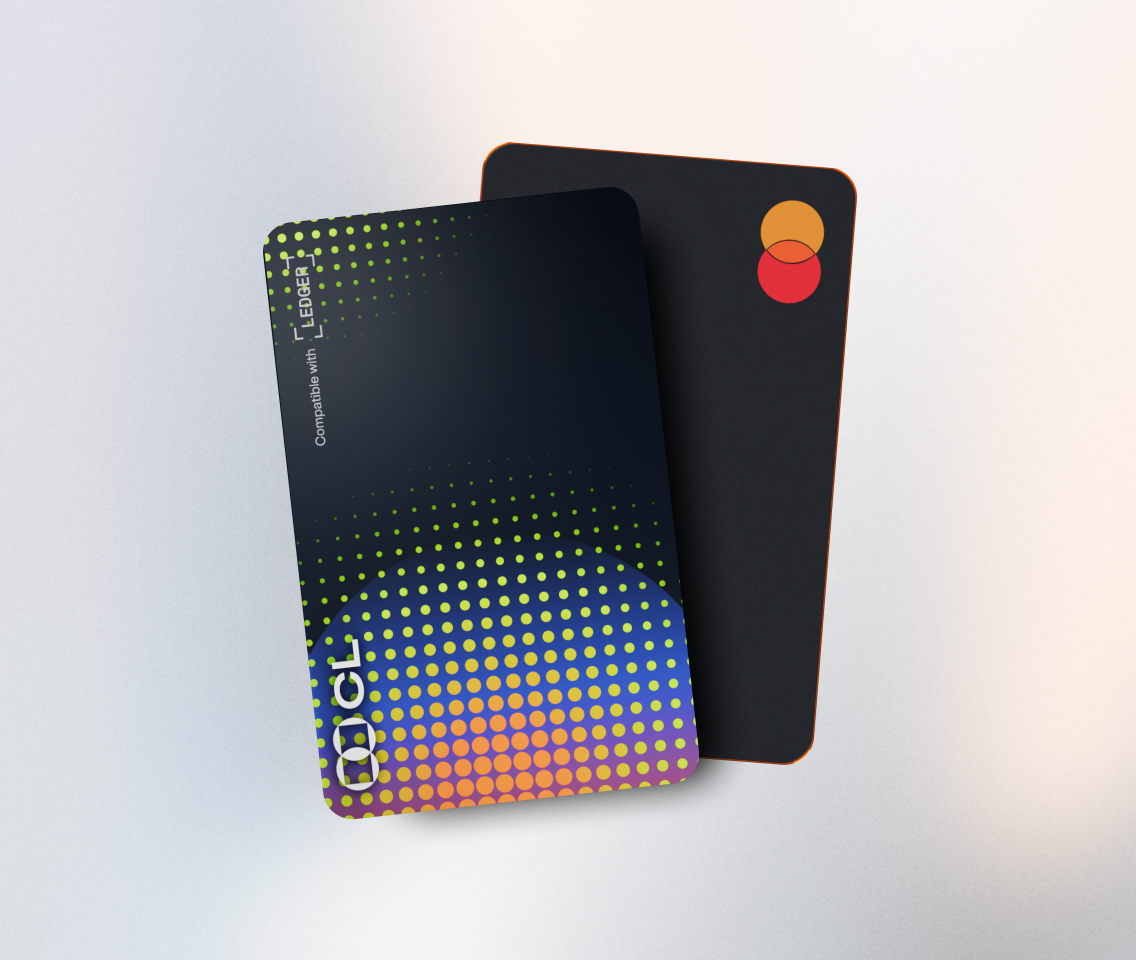
Ledger is a well - known name in the cryptocurrency wallet space, and its secure element is at the heart of its security features. The secure element can be thought of as a fortified digital vault within the device, designed to protect sensitive information such as private keys.
At a fundamental level, the secure element is a tamper - resistant chip. It is built with advanced hardware technology that makes it extremely difficult for unauthorized parties to access the data stored inside. For example, if an attacker tries to physically probe the chip, it has built - in mechanisms to detect such intrusion. Once detected, the secure element can self - destruct or erase the critical data, ensuring that the private keys remain safe.
The secure element uses a combination of cryptographic algorithms. These algorithms are used to encrypt the private keys and other sensitive data. Encryption is like putting a lock on your data, and only the right key (in this case, through proper authentication) can unlock it. For instance, the Advanced Encryption Standard (AES) is often employed due to its high level of security and widespread use in the industry.
When it comes to authentication, Ledger's secure element has multiple layers. First, there is the PIN code. When a user sets up their Ledger device, they choose a PIN. This PIN acts as the first line of defense. Only when the correct PIN is entered can the user access their wallet and perform transactions. Additionally, some Ledger devices support biometric authentication methods, such as fingerprint recognition. This adds an extra layer of security, as biometric data is unique to each individual.
Another aspect of how the secure element works is its isolation from the device's main operating system. This isolation means that even if the device's main software is compromised, the secure element remains untouched. For example, if a malware infects the device's regular operating system, it cannot directly access the secure element and the private keys stored within.
In terms of transaction signing, when a user initiates a cryptocurrency transaction on their Ledger device, the secure element is responsible for signing the transaction. Signing a transaction is like putting your digital signature on a document. The secure element uses the private key to create a unique digital signature, which verifies the authenticity of the transaction. This process ensures that only authorized transactions are sent to the blockchain network.
However, it's important to note that while Ledger's secure element provides a high level of security, it is not completely immune to all threats. There have been cases where attackers have found ways to trick users into revealing their PIN or other sensitive information through social engineering attacks. For example, phishing scams where users are lured into providing their credentials thinking they are interacting with a legitimate service. So, while the technology is strong, users also need to be vigilant about their own security practices.
Overall, Ledger's secure element is a sophisticated piece of technology that combines hardware and software security measures to protect users' cryptocurrency assets. By understanding how it works, users can have more confidence in the security of their digital wallets.
TAG: Ledger PIN device security their private data secure transaction element