
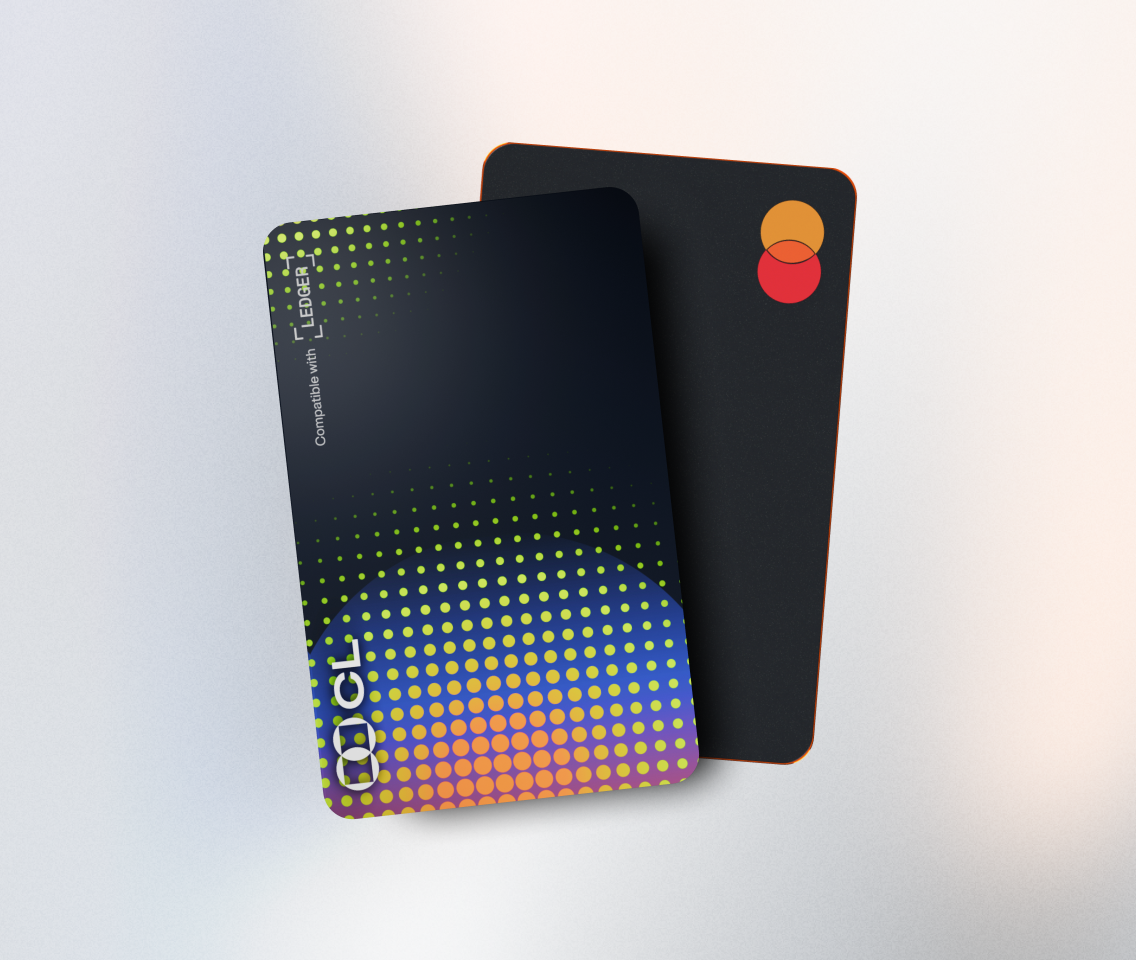
Ledger devices are well - known for their security in the cryptocurrency world. Keeping the firmware up - to - date is crucial for maintaining the highest level of security and functionality. However, updating the firmware must be done safely to avoid potential risks. Here are some key steps to update Ledger firmware safely.
First, make sure your device is genuine. Counterfeit Ledger devices can pose a significant threat during firmware updates. To verify authenticity, you can check the hologram on the device packaging, and compare the serial number on the device with the one provided by Ledger's official verification service. For example, if you purchase a used Ledger device, it's essential to double - check its authenticity before attempting any updates.
Next, back up your wallet. Before starting the firmware update process, create a backup of your wallet's recovery phrase. This is a series of words that can be used to restore your wallet in case something goes wrong during the update. For instance, if the update fails and your device becomes unresponsive, you can use the recovery phrase to access your funds on a new device. Remember to store the backup in a secure location, such as a fireproof and waterproof safe.
Use a secure network connection when updating the firmware. Avoid using public Wi - Fi networks as they are often unsecured and can be easily hacked. Instead, connect your device to a trusted home or office network. For example, if you try to update your Ledger firmware while sitting in a coffee shop using their public Wi - Fi, there is a risk that a hacker could intercept the data transfer and gain access to your device.
Keep your computer's operating system and antivirus software up - to - date. An outdated operating system or antivirus can leave your computer vulnerable to malware attacks during the firmware update. For example, if your computer has an old version of Windows without the latest security patches, a malware could potentially infect your device during the update process.
Follow the official instructions provided by Ledger carefully. Ledger regularly releases firmware updates with detailed instructions on how to install them. Deviating from these instructions can lead to errors or security issues. For example, if you skip a step in the update process because you think it's unnecessary, you might end up with a partially updated or malfunctioning device.
After the update is complete, test your device. Check if all functions are working correctly and if you can access your wallet without any issues. If you notice any problems, contact Ledger's customer support immediately. For example, if after updating the firmware, you can't sign transactions, it could indicate an issue with the update, and you should seek professional help.
By following these steps, users can update their Ledger firmware safely and enjoy the enhanced security and features that come with the latest firmware versions. It may seem like a complex process, but taking these precautions can save you from potential losses and security breaches.
TAG: Ledger your device update firmware security up example during process