
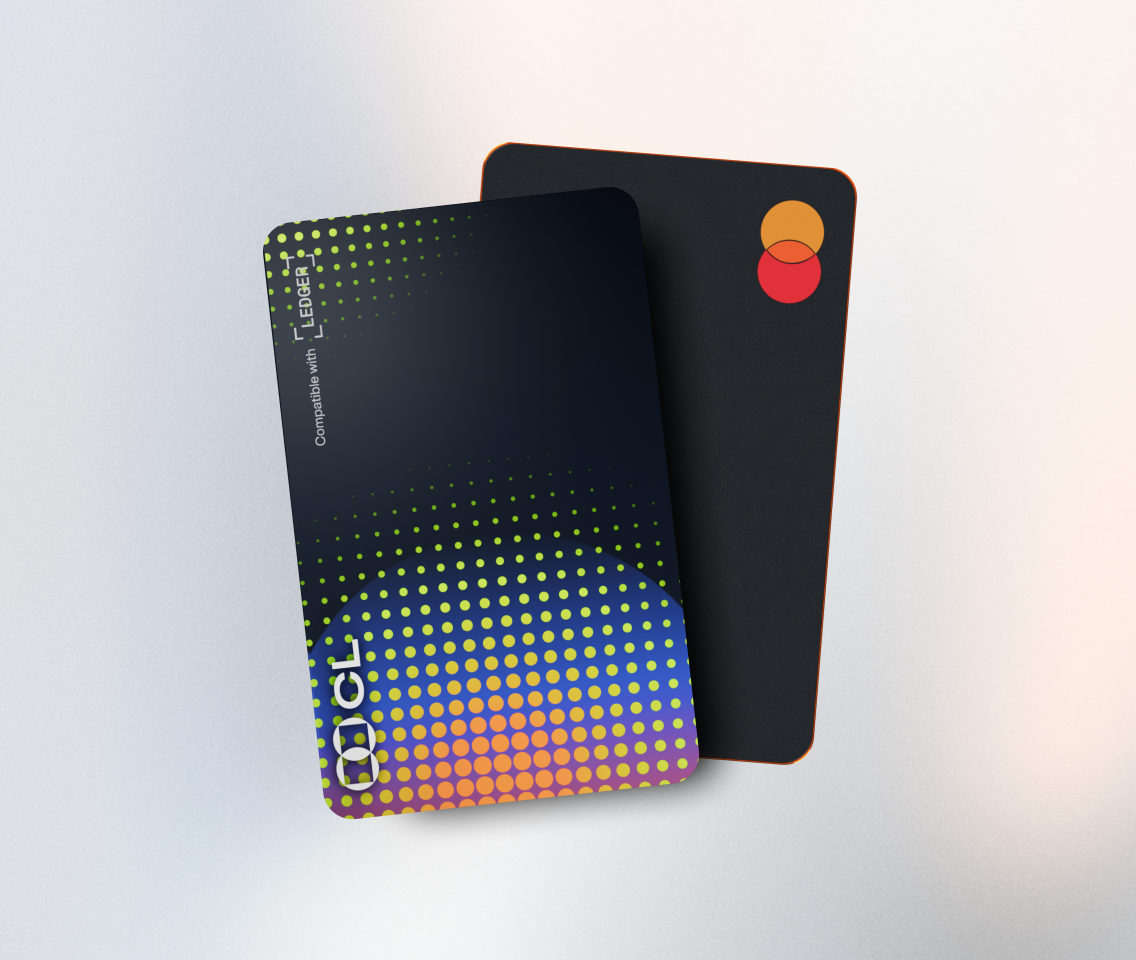
Ledger is a well - known hardware wallet brand in the cryptocurrency space, offering users a high - level of security for storing digital assets. When it comes to staking rewards, the answer is yes, Ledger does support staking rewards, but with certain conditions and limitations.
Firstly, it's important to understand what staking is. Staking involves holding funds in a cryptocurrency wallet to support the operations of a blockchain network. In return for this support, users are rewarded with additional tokens. Many blockchain networks, such as Ethereum 2.0, Cardano, and Tezos, offer staking opportunities. Ledger allows users to stake their tokens on some of these supported networks.
For example, Ethereum 2.0 is a significant case. With the transition from a proof - of - work to a proof - of - stake consensus mechanism, staking has become a crucial part of the Ethereum ecosystem. Ledger users can stake their Ether (ETH) through various staking services that are compatible with the Ledger wallet. They can connect their Ledger device to these services and start staking directly from their secure hardware wallet. This provides an extra layer of security compared to staking through an online wallet.
However, not all staking options are directly available on the Ledger device. Some staking services require users to use a third - party platform that is integrated with Ledger. For instance, in the case of Cardano staking, users can use platforms like Daedalus wallet which can be paired with the Ledger device. Through this combination, users can stake their ADA tokens and earn rewards while keeping their private keys secure within the Ledger hardware.
The process of staking with Ledger generally involves a few steps. First, users need to ensure that their Ledger device is updated to the latest firmware. Then, they should install the relevant cryptocurrency app on the device. After that, they can connect to a staking service that is compatible with the token they want to stake. Once connected and the staking process is initiated, they can start earning rewards over time.
It's also worth noting that there are risks associated with staking. For example, if the staking validator on the network behaves maliciously or fails due to technical issues, users may lose part or all of their staked tokens. Additionally, market volatility can affect the value of the staked tokens and the rewards earned. Ledger provides security for the private keys but does not guarantee the success of staking operations.
In terms of future prospects, as the cryptocurrency market continues to evolve, more blockchain projects may emerge with staking features. It's likely that Ledger will expand its support for different staking options in response to market demand. This could lead to increased adoption of staking among cryptocurrency users, as they can rely on Ledger's security while participating in staking activities.
Overall, Ledger offers a way for users to participate in staking and earn rewards, but users need to be aware of both the opportunities and risks. By understanding the staking process and using Ledger's security features effectively, they can make informed decisions about staking their digital assets.
TAG: Ledger wallet device security cryptocurrency their users they staking rewards