
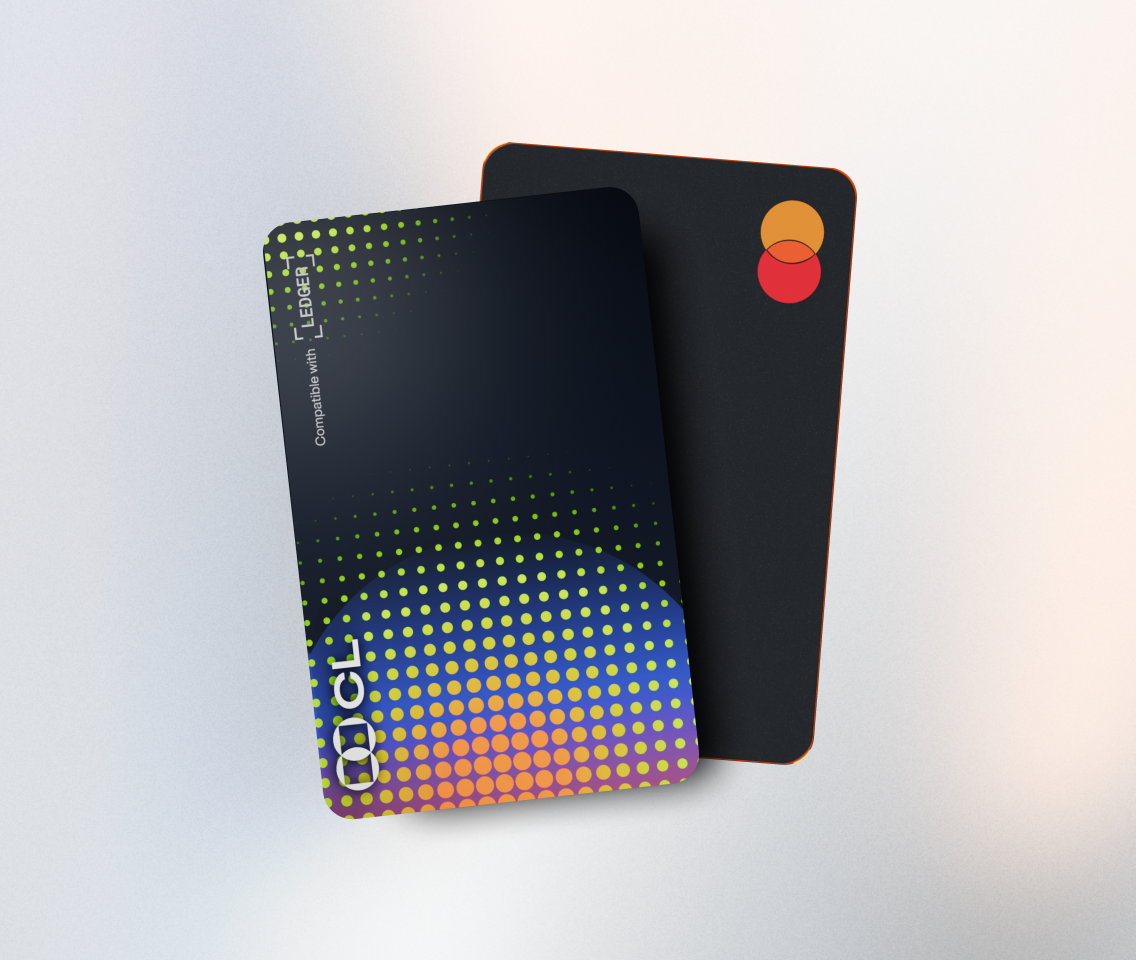
For those new to the world of cryptocurrency, understanding what a hardware wallet is and how it works can be quite challenging. A hardware wallet is a physical device designed to store your cryptocurrency securely. It's like a digital safe for your digital assets.
One of the main advantages of a hardware wallet is its security. Unlike software wallets that are connected to the internet and thus vulnerable to hacking, hardware wallets operate offline. This offline nature, also known as being “cold storage,” significantly reduces the risk of your funds being stolen. For example, if you have a large amount of Bitcoin stored in a software wallet and your computer gets infected with malware, your funds could be at risk. However, with a hardware wallet, since it's not connected to the internet all the time, it's much harder for hackers to access your coins.
When it comes to using a hardware wallet, the process is relatively straightforward. First, you need to purchase a hardware wallet from a reputable manufacturer. Popular brands include Ledger and Trezor. Once you receive your device, you'll need to set it up. This usually involves creating a PIN code and writing down a recovery phrase. The recovery phrase is a series of words that can be used to restore your wallet in case your device is lost or damaged.
After setting up the hardware wallet, you can start transferring your cryptocurrency to it. You'll need to connect the wallet to your computer via USB or Bluetooth, depending on the model. Then, use a compatible software application (usually provided by the wallet manufacturer) to initiate the transfer. For instance, if you want to transfer Ethereum from an exchange to your hardware wallet, you'll find the deposit address on your wallet's software and enter it on the exchange platform.
Another common question beginners have is about the cost of hardware wallets. The price can vary depending on the brand and features. Generally, they range from around $50 to $200. While this might seem like an additional expense, considering the security they provide for your valuable cryptocurrency, it's a worthwhile investment.
It's also important to note that hardware wallets support multiple cryptocurrencies. Most wallets can store well - known coins like Bitcoin, Ethereum, Litecoin, and many others. This means you don't need to buy separate wallets for different cryptocurrencies.
In terms of maintenance, hardware wallets are quite low - maintenance. You just need to keep the device safe and make sure the battery (if applicable) is charged. And always keep your recovery phrase in a secure place, preferably in multiple locations in case one copy gets lost.
Finally, if you ever want to sell or transfer your cryptocurrency, you can connect the hardware wallet again and use the software to initiate the transaction. Just make sure you're following all the proper security protocols during the process.
TAG: your wallet software hardware like ll device wallets cryptocurrency need